




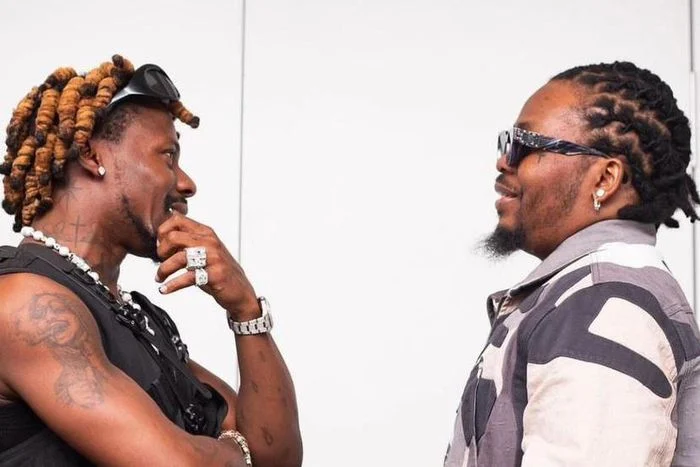

Eddy Ratty has found his own voice and embraced his own purpose of making music that ensures the authentic spirit of his Benin City heritage continues to shine in Afrobeats. The message of hope is a universal one. Across creed, religion, and race, the hope that tomorrow will be a better day unites the human race. The faith that if you keep working hard, showing up daily, and constantly believing that you can someday achieve your dreams is what keeps billions of people going. Even in music, this message has been shared across generations and genres. It’s this solemn message that Nigerian musician Eddy Ratty shares on his latest single ‘Your Time Go Come’. Drawing from his Nigerian cultural roots and the peculiarities that shape the reality of life for the over 200 million people in the country, Eddy Ratty makes a song that strikes a chord with the average Nigerian and African, who perhaps more than ever before needs the message of hope. Effective communication must be done in a language that’s easily digestible for the intended party, and Ratty understands as he deploys Pidgin English, which is Nigeria’s and Anglophone West Africa’s lingua franca, to tell the struggling man to keep faith and believe in a better tomorrow. Released on April 15, 2026, the single fuses Afropop production with simple lyricism that holds the central message of “there’s a time for everything,” which is a familiar talking point in Nigerian folk music and Highlife. From the opening melodies, it’s clear that Eddy Ratty isn’t trying to score a club banger or chase a TikTok hit. He simply seeks to share a personal interpretation of the phrase parents have repeatedly uttered to their children, teachers to pupils, well-meaning adults to zealous youths, and even plastered on commercial buses in several cities across the country. The melodies are simple and catchy, and the delivery is poetic and fun enough for the average listener to commit to memory on the first few listens. The repetition of the central message and his decision to make the hook focus on the bus driver, street hawker, and roadside trader capture a clear state of mind that shows his desire to speak to the common man. Vocally, he adopts the simplicity that brings the song closer to his targeted audience and makes the song feel like an informal conversation, a folklore ringing in the ears, rather than a polished studio record meant to showcase artistry. Odb’s production also aids in achieving the required simplicity as the measured drums and highlife-tinted instrumental add cultural context and flavour to the song. However, the record isn’t without its shortcomings. The same simplicity and lyrical accessibility that make it easily digestible for the common man also hinder it from reaching a level that flatters Eddy Ratty’s artistry. The writing, while honest, seems to borrow almost entirely from a common admonition rather than from deep reflection. The storytelling isn’t personal, and the vulnerability that could reinforce his message is missing.
For the latest music news, curated discoveries, artist spotlights, and cultural insights shaping African sound, follow MusicNG.com.
MusicNG.com is a premium music updates and culture platform focused on discovering, curating, and amplifying the most relevant sounds shaping Africa and the world today. From rising artists and new releases to industry insights and cultural moments, MusicNG delivers a refined perspective on what truly matters in music. Stay connected to a premium community built around music, taste, and discovery.
Contact Information: Email: news@musicng.com For promotions and partnerships: adverts@musicng.com